
Noah Dyer · The New American Family Code
Press
Builder · Warrior · Speaker
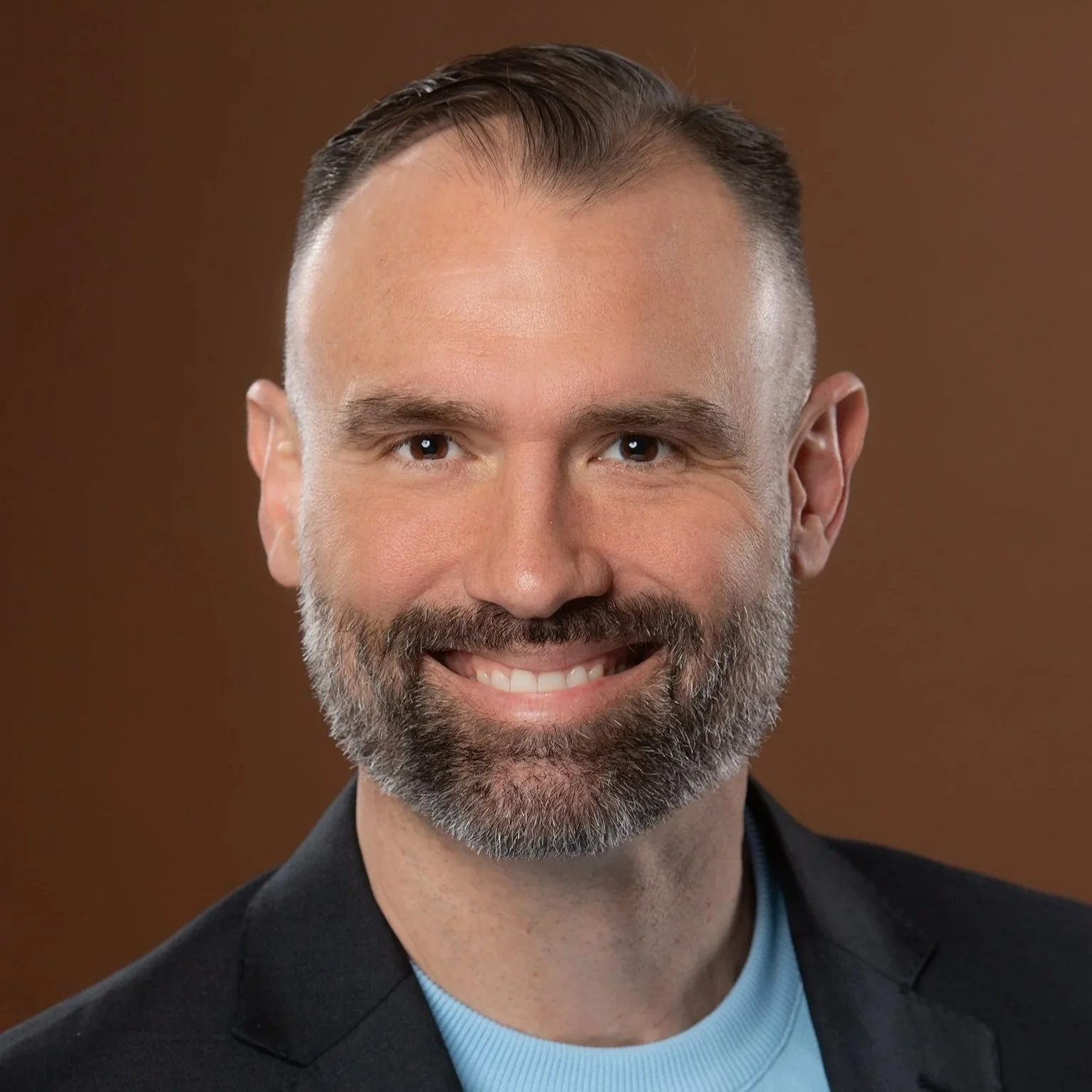
For seven years, Noah Dyer's son refused to speak to him. Rather than accept that as the price of modern family life, he spent those years working out why American families come apart so easily, and built a system for holding them together. He and his son found their way back. That relationship is still growing, which is the point.
The problem is not that you have not tried hard enough. It is that you were handed tools built for individuals and asked to build a family.

Endorsements
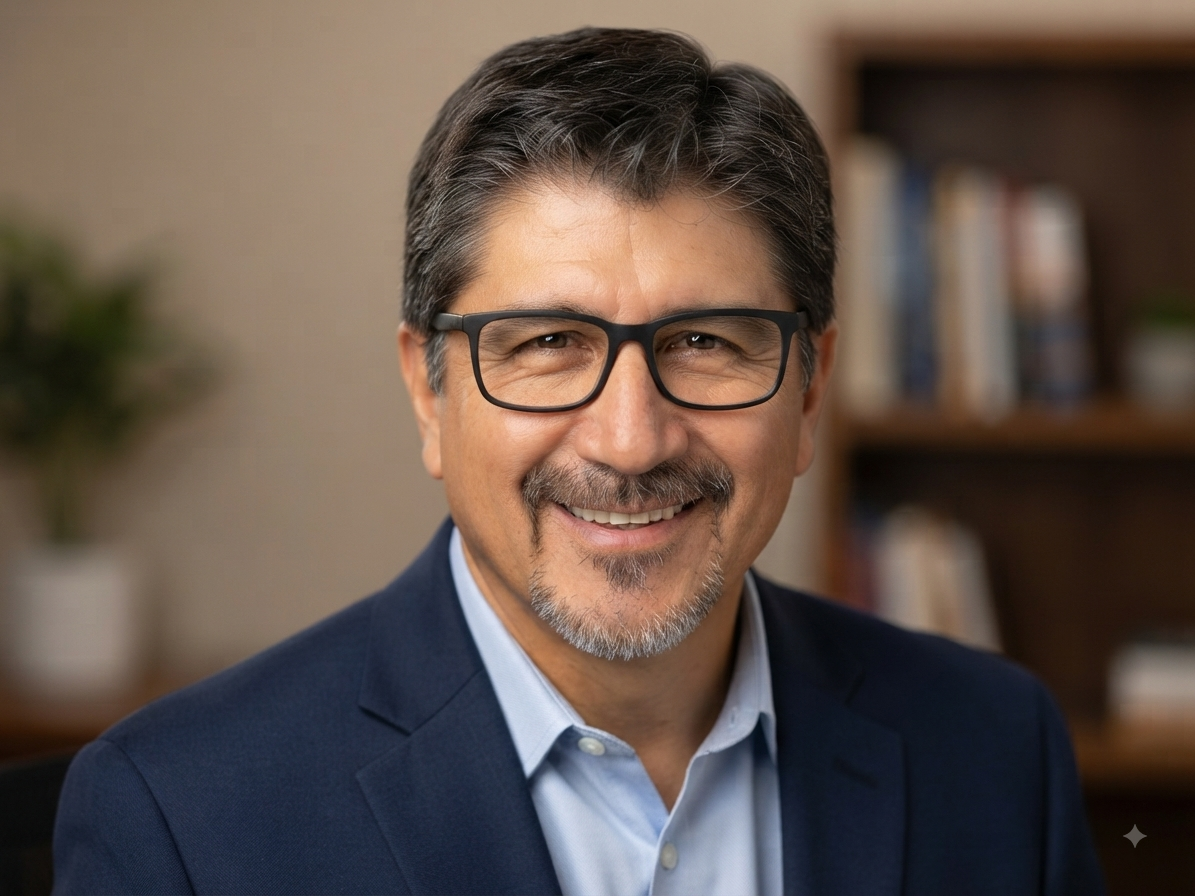
"This book is an extraordinary read. Throughout the journey, I found myself on a deeply reflective path, seeing my own family through the lens of the author’s framework. It gave me a new perspective on relationships, experiences, and the dynamics that shape a family. Reading it truly felt like an adventure, one that encouraged me to reflect, explore, and see my family in a different way.
I strongly recommend this book to anyone who has ever questioned their relationship with certain family members or wondered why those relationships affect them the way they do. It may challenge you, but it may also give you a new lens through which to understand yourself and your family.”
— Dr. Richard K. Ramos, Ed.D., Superintendent, Miami Unified School District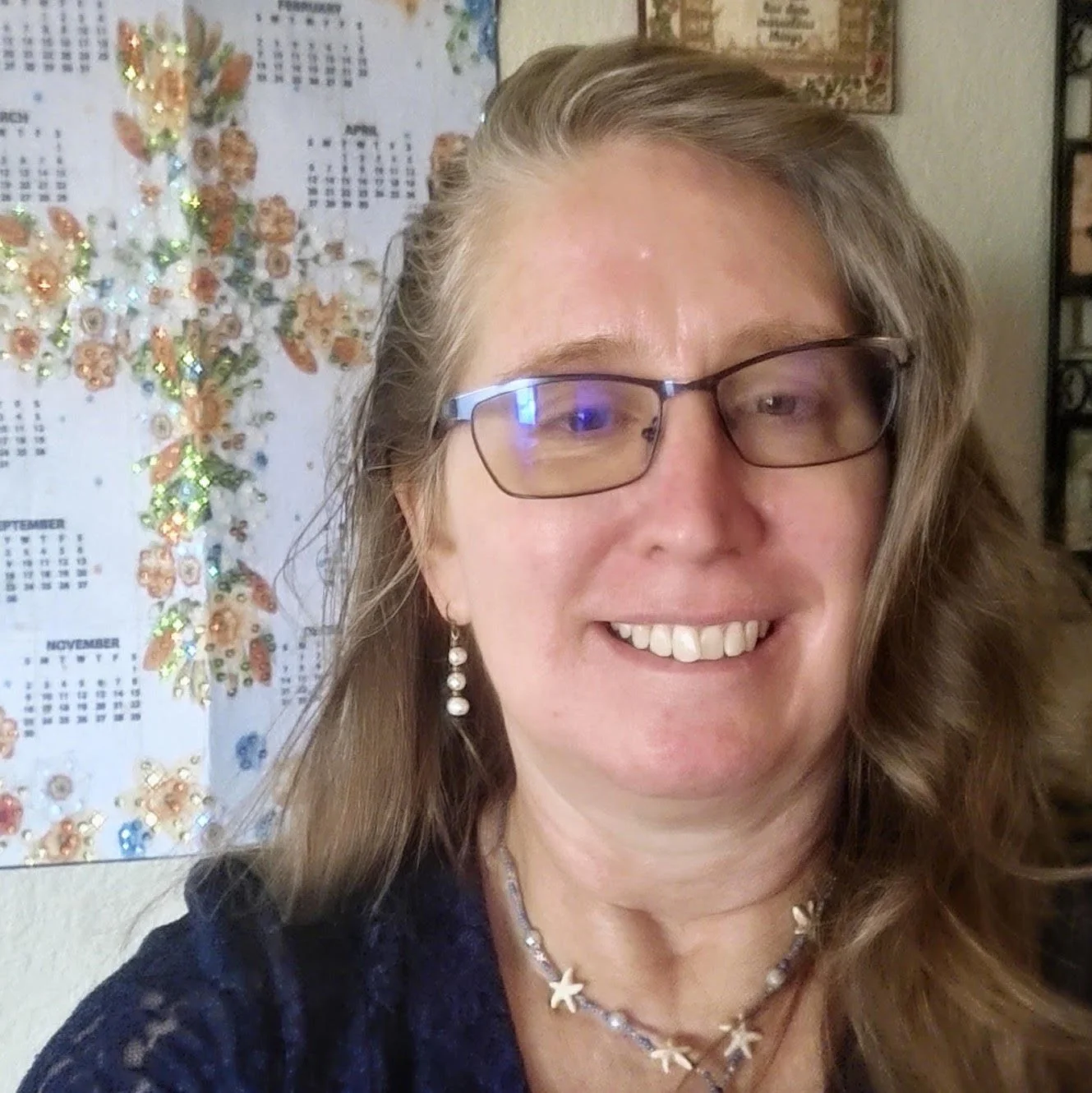
“As a high school teacher, I see students suffering the consequences of broken and unsupportive families every day. The New American Family Code delivers realistic steps anyone can implement to start the healing process. It is appropriate for any family dynamic and culture that wants to learn how to work together to build a strong supportive system for every member but doesn't know where to begin. It is not an easy, quick fix but demands personal responsibility in helping individuals learn to work together for the good of the whole family while respecting individualism. Noah's writing is clear and concise. It addresses the problem and offers a realistic solution if individuals are motivated enough to create positive changes that value every member of the family. He supports the long-established idea that everyone benefits when a strong family system works well.”
— Charlotte Kelley, Special Needs Teacher
"I wasn’t sure what to expect going into this book, but I’m really glad I picked it up. The New American Family Code gave me both the framework and the tools to improve my relationships with the people I love most—while staying true to my ideals as an American, a son, and a brother."
— Ian Bell, Military Pilot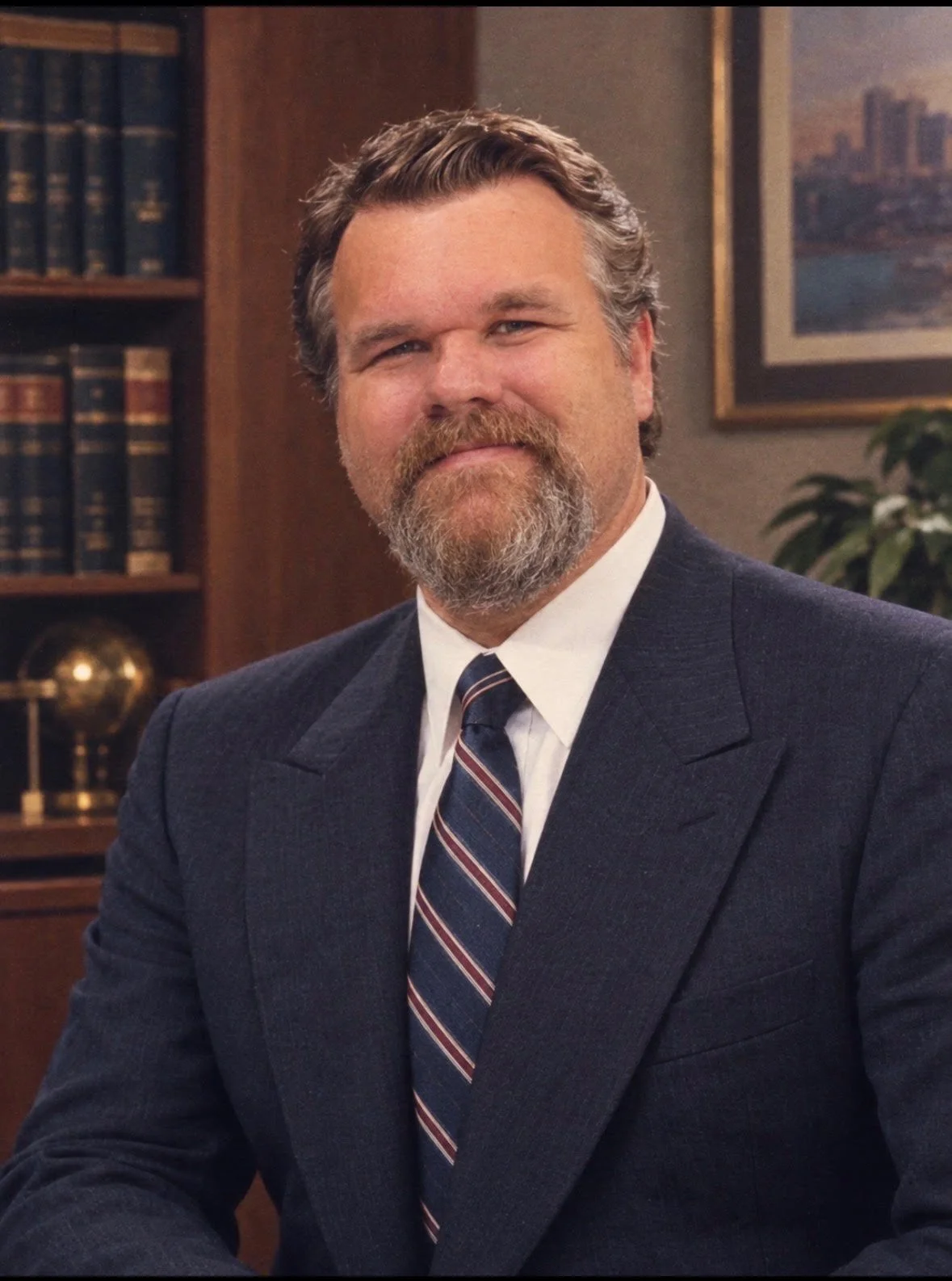
Dyer provided an amazing framework on how to build an emotionally intelligent family structure. Too often we fall victim to the me-centered emotional arguments and offenses of our family members. In his writing, Dyer fleshes out some very difficult family dynamics to illustrate how following The Code allows our families to ensure strength while addressing the unacceptable actions of family members.
The biggest takeaway I personally took from the book was that to fully implement The Code, you will need to fully commit to living The Code. Oftentimes we only apply rules, boundaries, or guidelines to people who have wronged us or are the perpetrating party, without holding ourselves to a common (higher) standard. To fully commit to this way of living, you have to hold yourself accountable to the shared Code and not excuse your way out of bad behavior.
This read will be extremely helpful for those who are navigating new family, trying to build relationships with estranged family members, and overall growth as a functioning member of the new norm in family dynamics.
This is a wonderful read for everyone who has a desire for family that can weather the storm and ensure that family trauma and drama is dealt with to ensure everyone heals and everyone grows to be better.
— Bishop Chris Marohn, The Church of Jesus Christ of Latter-day Saints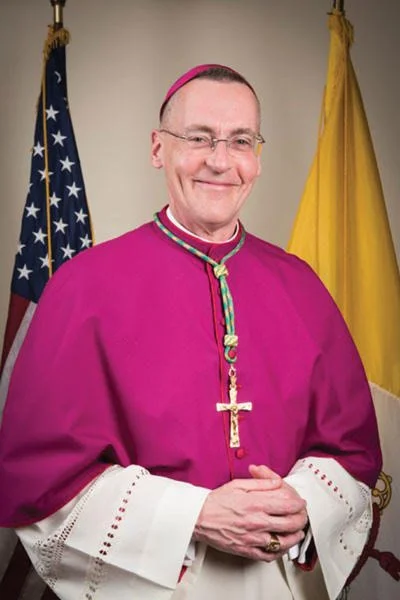
“Noah Dyer’s The New American Family Code makes an important contribution. As he points out, too many American families are “stuck” in division, separation, and exclusion. Families were never meant to live this way. The Lord established the family, rooted in marriage between one man and one woman, as the foundational building block of society. We all know from experience that every family is broken, imperfect, and wounded. And yet, that does not excuse anyone from working to be part of the solution. Dyer reminds us that every member of every family has a God-given right to be included and welcomed in his/her own family—and a God-given obligation to contribute to healing their own family.
Dyer’s book is very well thought out and very well written. His understanding and practical wisdom are rooted in his own faith life and family life. Dyer is realistic—he knows that renewal of society depends on renewing one family at a time. He offers concrete and realistic steps toward being part of the solution in one’s own broken family.
Want to make a positive difference in your own family and in society? Noah Dyer lays out the basic principles and points the way. I strongly recommend this book for all adults and teenagers who want to be part of the solution!”
— Bishop Bill Muhm, Archdiocese for the Military Services, USARecent Writing
Deseret News — October 1, 2026
On why Americans started treating family relationships like consumer products, and what it costs us.
Noah On Camera
Questions Worth Asking
Take these as written or use them as a starting point.
01
02
03
04
05
06
07
How is what you went through with your son going to help people who read this book?
A lot of family advice today says that if someone keeps hurting you, eventually you create distance or cut them off. You think we have taken that too far. Why?
You have said the problem is not that people are not trying hard enough. If effort is not the problem, what is?
What is the difference between quarantine and exile, and why does that distinction matter so much to you?
What mistakes did you make with your family before writing this book, especially as part of your effort to repair broken family relationships?
Your framework makes room for repair before anyone gets the apology or the forgiveness they want. What does reconciliation look like when one of those never comes?
Someone listening is estranged from a parent, a sibling, or an adult child and wants to try something different. What is the first thing they can do tomorrow that does not depend on the other person changing?
What Noah can speak to

How cutting people off became the default advice, and what a generation of it has cost
The difference between quarantine and exile, and why one preserves a family while the other ends it
What holding a unit together under pressure taught him about conflict with people you did not choose
Family permanence as a practice rather than a sentiment
What he got wrong across seven years of trying
The framework distinguishes quarantine from exile. It never requires unsafe proximity. Protecting vulnerable family members comes first.
Why Noah
Seven years estranged from his son. Reconnected, and actively rebuilding.
Built the framework from inside the problem, not after neatly solving it.
A career in Air Force units where cohesion has to survive disagreement, pressure, and people nobody chose.
Will defend a contrarian argument, and talk plainly about where he got it wrong.
The framework in one page
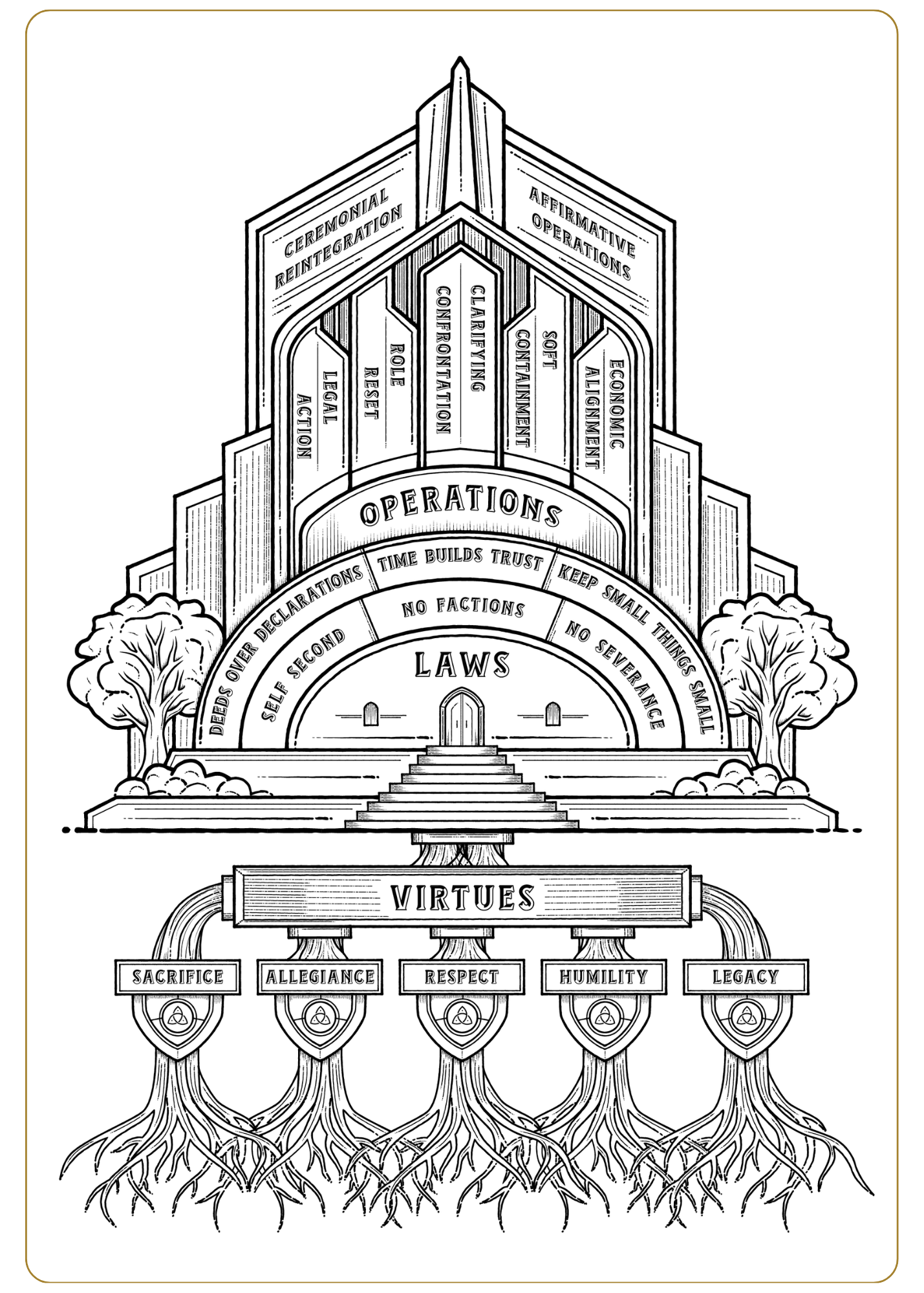
Families do not fail for lack of love. They fail because their members were handed tools built for individuals and asked to use them to build something collective. The Code is a shared system: a common vocabulary, clear limits, and specific moves for when things go wrong.
One person can start it without anyone else's agreement.
-
Sacrifice — Everyone brings something. You do not have to be perfect, but you cannot be passive.
Allegiance — We show up, we stay, and no one carries hardship alone.
Respect — Honoring every member's place, which is not the same as endorsing every position they take.
Humility — Staying open to influence, and to the people who came before.
Legacy — Deciding today with the next generations in mind.
-
Self Second — Judge choices by what strengthens the family, not only by what serves individual comfort.
No Severance — Belonging is permanent. Access can be restricted for safety, but no one is erased from the family.
No Factions — Bonds are healthy. Cliques that decide who is in and who is out are not.
Time Builds Trust — Relationships are maintained in ordinary weeks, not rescued in crises.
Deeds Over Declarations — People get a path back without being made to say the magic words first.
Keep Small Things Small — Handle it as quietly and as directly as the situation allows.
-
Clarifying Confrontation → Soft Containment → Role Reset → Economic Alignment → Legal Action
Plus Ceremonial Reintegration, the deliberate act of welcoming someone back, and Affirmative Operations, the ordinary shared rhythms that make a family worth belonging to.
The distinction that matters most
Exile removes belonging. It says you do not belong here, and it makes the whole family conditional.
Quarantine restricts access while belonging continues. If someone is in prison, family members can still visit. If they are in rehab, family members can still write. Where the law imposes separation, that boundary is respected absolutely.
Protecting vulnerable people comes first. The Code treats separation as sometimes necessary. What it rejects is turning separation into erasure.
Where people get it wrong
There is no Code Police. The Code gives no family member new authority over another. Two people who both subscribe can disagree about how it applies.
What changes is the question each person asks: not what do I want, but what would strengthen the family.
Bios
50 Words
Noah Dyer believes the modern family is breaking apart not because people don't care, but because they've been handed the wrong tools. Blending systems thinking, cultural insight, and hard-won personal experience, he offers a new framework for building families strong enough to survive disagreement, conflict, and modern life.
100 Words
For seven years, Noah Dyer's son cut him off completely, refusing to reply to even a single text. At the same time, he was wrestling with destructive patterns involving his siblings and parents. After one especially painful family explosion, his brother suggested a "family council" to establish basic expectations and ways to resolve conflict, and that idea launched Noah on a quest to understand how families with deeply opposing worldviews stay intact.
He attacked the question as a systems designer. A former professor of video game programming, he had spent years modeling complex human behavior. He is also the author of Successful Scrumbutt (Routledge, 2016). As an advertising executive, he learned how cultural narratives shape what people actually do. He now serves as an active-duty Air Force Staff Sergeant stationed in Germany.
The New American Family Code is the result. For Noah it isn't theory. It's what brought his son back.
300 Words
For seven years, Noah lived every parent's nightmare: his son cut him off completely, refusing to reply to even a single text. At the same time, he was wrestling with destructive patterns involving his siblings and parents.
After one especially painful family explosion, his brother suggested they hold a "family council" to establish basic expectations and ways to resolve conflict. With family members ranging from devout Mormons and Catholics to agnostics and atheists, Noah was skeptical it would produce anything but more drama. Instead, that idea launched him on a quest to understand how families with deeply opposing worldviews can still stay intact.
Drawing on his unusual background as a systems designer, Noah attacked the question rigorously. A former professor of video game programming, he had spent years modeling complex human behavior. He is also the author of Successful Scrumbutt (Routledge, 2016), adopted as a course text at the University of Texas at Dallas. As an advertising executive, he learned how cultural narratives shape what people actually do. Now serving as an active-duty Air Force Staff Sergeant stationed in Germany, he sees daily how clear standards and deliberate trust allow diverse teams to succeed under pressure.
What he discovered upended many of his assumptions. The strongest families across time are not held together by shared beliefs, but by a small set of principles that allow deep disagreement without betrayal.
Noah's desire to share what he learned became The New American Family Code. The book and his workshops offer a practical framework that families across the political and religious spectrum can use to build stronger, more satisfying lives together.
For Noah, the framework isn't theory. It's what he uses every day to build healthier relationships across his family, and what brought his son back. Seven years of silence eventually became something sweeter than ever.
Views expressed are his own and do not reflect those of the U.S. Air Force or Department of Defense.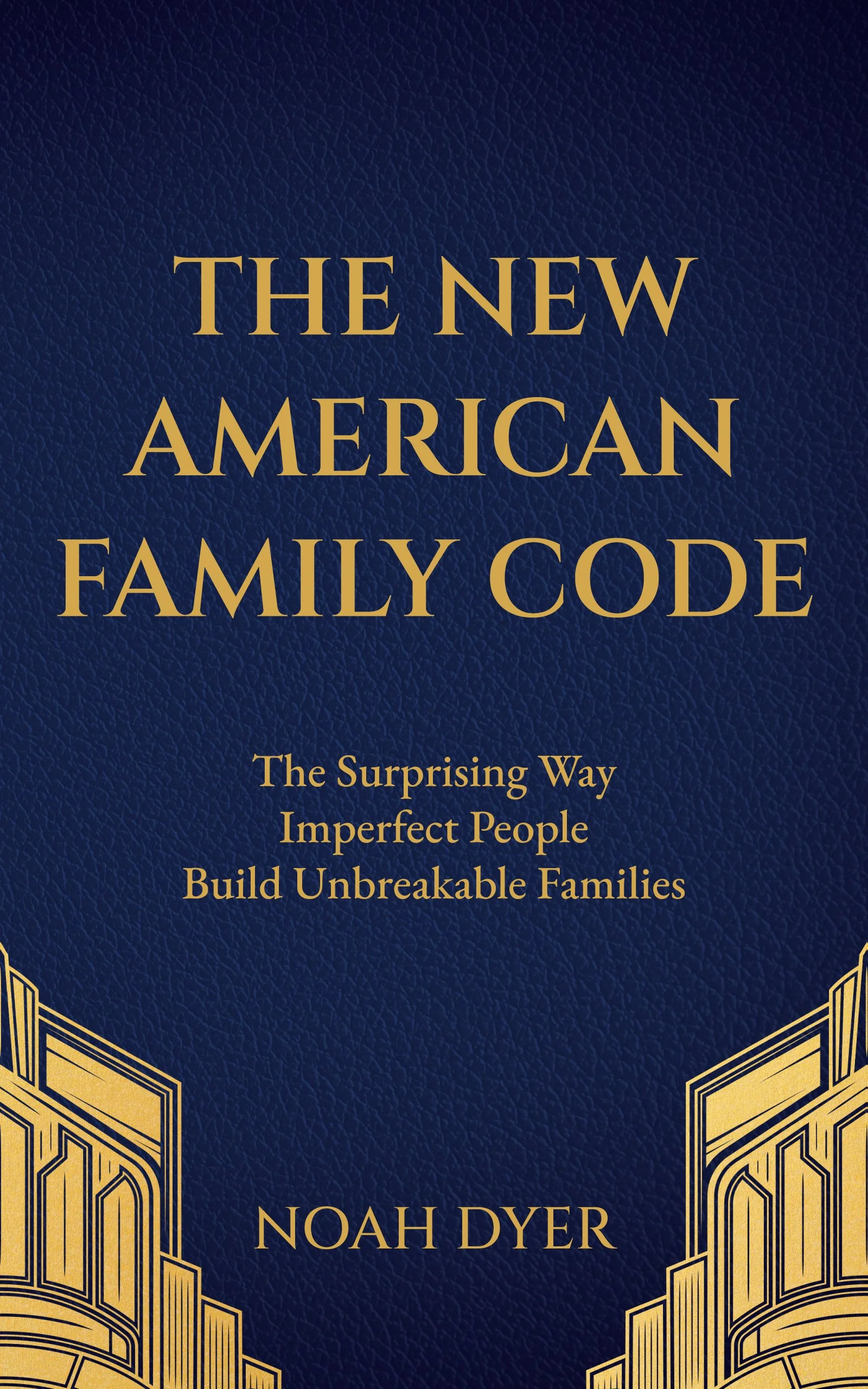
A structured system for holding families together through conflict, from a father who spent seven years estranged from his son.

American families are fractured, and much of the advice offered for family conflict points toward distance. The New American Family Code makes a different argument: families do not fail for lack of love but for lack of tools, and cutting people off has become a default response to problems it often cannot solve. The book sets out five Virtues, six Laws for navigating conflict, and a set of practical Operations for protecting vulnerable family members and restoring broken bonds. It is explicit that no one is asked to endure abuse, and it distinguishes exile, which removes belonging permanently, from quarantine, which creates distance while keeping the relationship open. Its central claim is that a single person can start without anyone else's agreement.
The difference between a group of people who share a last name and a family that actually functions like one is a system. This is that system.
Spires Press · October 13, 2026 · Hardcover, ebook and audiobook
Hardcover 979-8-9955238-0-2 · Ebook 979-8-9955238-1-9 · Audiobook 979-8-9955238-2-6
Available in Hardcover, eBook, or Audiobook formatsSomething for your audience
A short field guide for thinking through a hard family conversation before you have it. What you actually want to say, how to say it, and what to listen for. Free, and yours to offer your listeners.
Booking
Flexible. Noah will work to your schedule
AVAILABILITY
Remote. Riverside or Zoom.
RECORDING